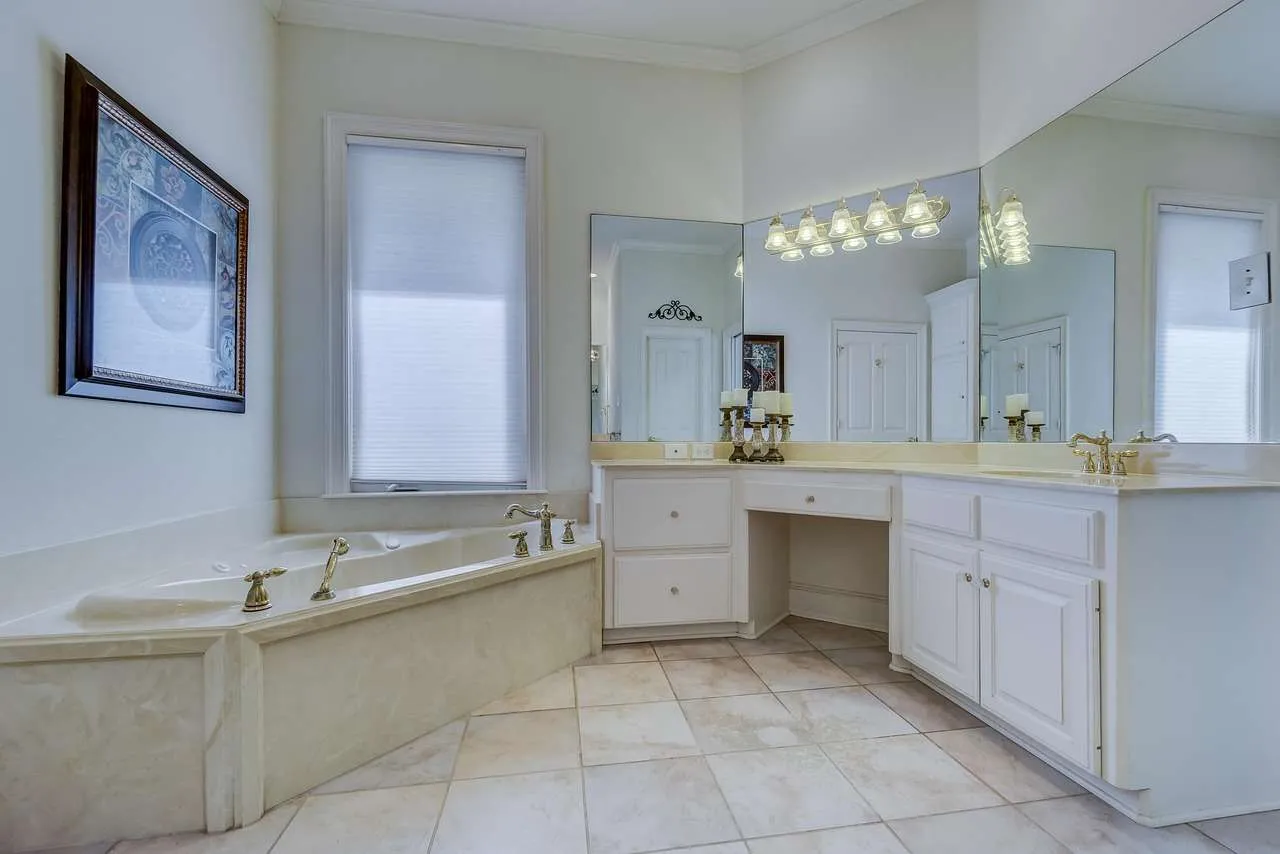
Designing for a small bathroom requires a thoughtful mix of layout, fixtures, and finishes. The goal is to maximize every inch while creating a space that feels calm, organized, and easy to maintain. This guide combines practical tips with design insight to deliver small bathroom ideas that work in real homes. You will learn how to optimize flow, choose space-saving fixtures, and create the illusion of space with lighting and color. The recommendations are grounded in accessibility, durability, and timeless style to ensure your project remains relevant for years to come.
Why small bathrooms demand smart design
Small bathrooms amplify every design decision. A well-planned space reduces clutter, improves daily routines, and increases perceived roominess. The emphasis is on efficient storage, dual-purpose fixtures, and clean sightlines. By prioritizing quality over quantity, you can achieve a bathroom that feels larger, brighter, and more functional without a complete renovation.
Key ideas to maximize space
Layout and zoning
Begin with a clear floor plan that places the shower or tub in one zone, the toilet in a discreet corner, and a vanity within easy reach of the sink. If plumbing permits, consider a single-wall layout or a corner shower to free up floor space. A pocket door or a slim hinged door reduces swing space, allowing furniture and accessories to sit flush against walls.
Fixtures that save space
Choose a pedestal sink or a wall-mounted vanity to create openness under and around the vanity. A compact toilet with a streamlined tank and rounded edges further minimizes visual bulk. For showers, a glass enclosure with minimal frames or a clear curtain can make the room feel larger than its actual dimensions. Consider a corner basin or a wall-hung toilet to reclaim precious floor space.
Storage solutions
Maximize vertical storage with tall, slim cabinets or open shelving above the toilet. Use recessed niches in the shower for toiletries to keep the wet zone tidy. Install medicine cabinets with mirrored fronts to combine storage and light reflection. Inside vanity drawers, use dividers and small organizers to keep daily essentials accessible and organized.
Light and color
Light plays a crucial role in small bathrooms. Use bright, neutral walls such as soft whites, warm beiges, or pale grays to reflect light. If possible, add layered lighting: a ceiling light for general illumination, task lighting around the mirror, and an accent light to highlight architectural features. Reflective surfaces like large-format tiles and glossy finishes amplify brightness and space perception without sacrificing durability.
Shower options
A frameless glass shower or a clear shower door visually expands the space more than a closed tub. Narrow, linear drains and a curbless design enhance flow and accessibility. If a tub is necessary, consider a compact model with a short length and a side-mounted shower panel to reduce clutter and improve usability.
Materials finishes and maintenance
Durability matters in high-moisture areas. Ceramic or porcelain tiles offer longevity and easy cleaning. Large-format tiles reduce grout lines, making surfaces easier to wipe down. For vanity tops, choose quartz or solid surface materials that resist stains and moisture. Matte finishes are practical for floors and walls, as they resist showing water spots, while still looking modern when paired with glossy accents or mirrors.
Budget-friendly transformation plan
Transforming a small bathroom does not always require a full remodel. Start with a feasibility plan: measure, prioritize the most disruptive changes, and set a realistic budget. Focus on high-impact, low-cost updates first such as new lighting, a mirror with integrated storage, updated hardware, and a refreshed paint job. If plumbing access is possible, replace bulky fixtures with compact versions gradually. Finally, optimize storage with vertical cabinetry and recessed niches to minimize ongoing clutter.
Comparison of standard vs space-saving approaches
| Aspect | Standard Approach | Space-Saving Approach | Pros | Cons |
|---|---|---|---|---|
| Layout | Multiple zones with generous clearance | One-wall or corner layout with compact fixtures | Better flow, easier to clean | Can limit design options |
| Fixtures | Standard vanity and large tub | Wall-hung vanity, compact toilet, corner shower | More floor space, easier maintenance | Higher upfront cost for compact models |
| Storage | Freestanding cabinets, surface clutter | Recessed storage, tall slim cabinets | Cleaner lines, less visual clutter | Limited adjustability for changing needs |
| Light | Standard ceiling light with minimal mirrors | Layered lighting, large mirrors, bright white tones | Larger perceived space, better task lighting | Requires electrical planning |
Practical design tips for EEAT
To ensure expertise, consider project details such as local building codes, water pressure, and ventilation. Use reputable brands for fixtures and materials, and document measurements and installation steps. If you are unsure about plumbing or electrical changes, consult a licensed professional. The goal is to deliver a bathroom that is not only beautiful but also durable and accessible for daily use. A thoughtful, evidence-based approach reduces risk and ensures long-term satisfaction.
In summary, small bathroom ideas revolve around smart layouts, space saving fixtures, clever storage, and bright, durable finishes. By combining these elements with careful lighting and practical maintenance plans, you can achieve a compact bathroom that feels roomier, organized, and inviting.
Conclusion, applying these small bathroom ideas helps balance function and aesthetics, delivering a brighter, more organized space without major renovations. Focus on a cohesive plan that prioritizes storage, clean lines, and effective lighting to create a timeless, accessible bathroom that remains stylish for years to come.